Frequency Control
Grid Frequency Management
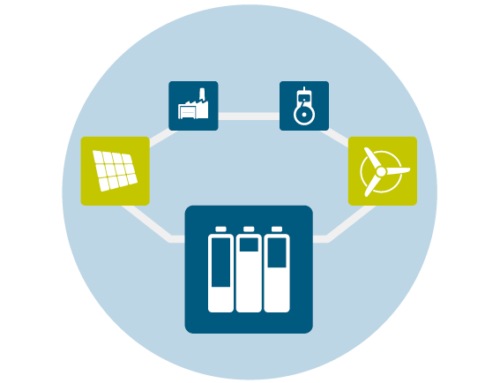
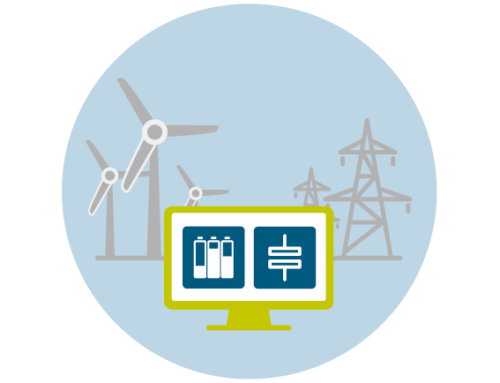
Frequency control refers to the balancing of frequency deviations due to imbalances between generation and consumption (active power control). In the power transmission networks in Germany and Europe, there is a frequency of 50 Hertz, which must be kept constant at all times by the transmission system operators with a small deviation tolerance. To achieve this, the influences of variable loads and feed-ins must be compensated for with the help of frequency containment reserve using minute reserve in the power plants. There may be discrepancies between power generation and consumption, resulting in an increase or decrease in frequency. If the power generated is greater than its consumption, this will result in an overfrequency. Underfrequency occurs when the power generated is less than the power consumed. With grid frequency stabilization, generation plants or consumer plants react automatically to frequency deviations that occur. For example, generation plants reduce the amount of power they feed in during overfrequency, or consumers increase the amount of power they feed in. The reverse is true for underfrequency. Battery energy storage systems can also be used to stabilize grid frequency, as they can respond to frequency changes within milliseconds.